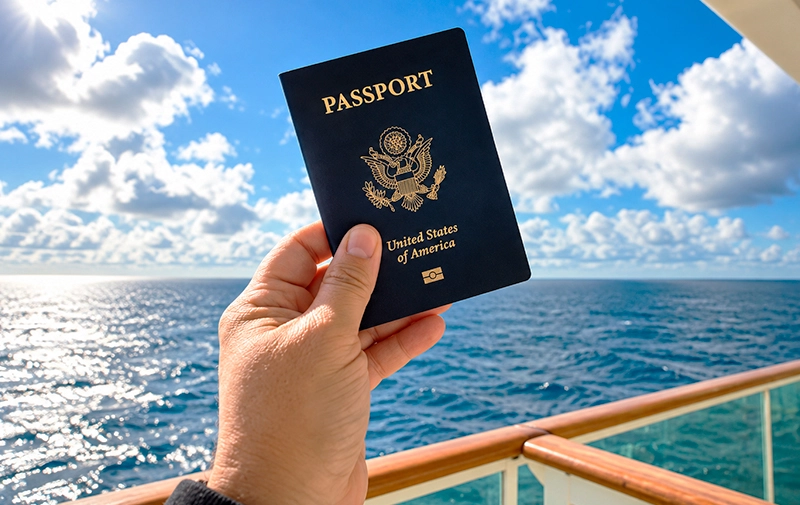
What items are prohibited on a cruise ship?
The list of items you cannot bring on board, why they are banned and how to pack so you clear security without delays or confiscations.
Before boarding, every passenger and all luggage go through a security screening similar to an airport. Officers X-ray the bags and, if they find something that breaks the cruise line rules, they remove it. Depending on the item, it is held until the end of the trip or discarded, and there is generally no refund.
These restrictions are not arbitrary: on a ship, a fire or an electrical fault is much harder to handle than on land. This guide explains what is usually prohibited, what depends on the cruise line and how to avoid surprises. Policies change, so always confirm your cruise line official list before packing.
Why these restrictions exist
A cruise ship is a small floating city with hundreds of closed cabins, narrow corridors and electrical systems running at full load. Anything that produces heat, flame or an electrical overload is a bigger risk than in a hotel, because evacuation and outside help are more complicated.
Other bans exist for the safety of all passengers (weapons, drones) or because of the laws of the countries the ship visits (illegal substances). Alcohol limits also have a commercial reason: on-board bars and restaurants are an important source of income for the cruise line.
Electrical and heat appliances
This is the group of items most passengers forget and most often confiscated. Nearly all cruise lines ban appliances that produce direct heat, especially in cabins:
- Clothes irons and steamers (the ship usually offers laundry or pressing rooms).
- Coffee makers, electric kettles, hot plates and mini cookers.
- Personal heaters, electric blankets and hair dryers that are not provided in the cabin when the line specifies it.
- Candles, incense, flame-based diffusers and anything that produces fire.
Power strips and extension cords
Power strips with surge protection and extension cords are usually prohibited or restricted because they can cause overloads. Many cruise lines do allow a multi-port USB charger without surge protection, which solves the problem of too few outlets. Check your line exact policy.
Devices you can usually bring
- Phone, tablet and camera chargers, and power banks within airline capacity limits.
- Small battery-powered or USB fans.
- Oxygen machines and CPAP devices, provided you notify the cruise line in advance about medical equipment.
Alcohol, drinks and food
This is where policies differ the most between cruise lines, so read carefully. These are the most common rules:
- Alcoholic drinks: many lines allow a limited amount of wine or champagne (for example, one bottle per adult) at embarkation but ban spirits. If you bring them, they are removed and returned at the end of the trip.
- Alcohol bought in ports: normally stored and handed back on the last day.
- Water and soft drinks: some lines allow a limited number of non-alcoholic bottles; others allow none.
- Food: sealed, packaged food for children or dietary needs is usually accepted, but not fresh or perishable items.
- Drinking age: the minimum age to drink on board is usually 21 on cruises from the United States and 18 on many European routes, varying by line.
Items that are a safety risk
These items are banned on all cruise lines and in some cases can cause legal problems if you carry them:
- Firearms, ammunition, explosives, fireworks and flares.
- Knives, blades and sharp objects. Small round-tip scissors and nail clippers are often allowed, but check your line.
- Flammable substances: gasoline, solvents, flammable aerosols and fuel.
- Drones and unmanned aerial equipment. Many lines hold them at embarkation and return them at the end of the trip.
- Hidden surveillance devices and cameras used inappropriately.
Drugs, cannabis and medication
Illegal drugs are banned on every cruise line. This includes cannabis and its derivatives, even if legal in your home country or at a port you visit, because the ship operates under the rules of its flag state and the authorities of each port. If substances are found, you can be removed from the ship and face legal consequences.
With medication, always bring what you need in its original packaging, with the prescription or a doctor letter if possible, and keep it in your carry-on. Some drugs commonly used in one country are controlled in another.
Sports equipment and other special items
If you plan to bring sports or leisure equipment, check your cruise line policy first. These are the most common cases:
| Item | What usually happens | Tip |
|---|---|---|
| Electric scooters and hoverboards | Banned because of their batteries | Do not bring them |
| Walkie-talkies | Usually allowed for use on board | Confirm the cruise line policy |
| Diving and snorkeling gear | Normally allowed | Avoid pressurized oxygen tanks |
| Bikes and surfboards | Depends on the line and itinerary | Ask before booking |
| Musical instruments | Allowed if they fit in the cabin | Ask if large or amplified |
How to pack to clear security without problems
- Read your cruise line official list of prohibited items, usually on its website and passenger portal.
- Check both your carry-on and checked bags: what porters take to the ship is also X-rayed.
- Leave heat appliances and power strips at home. If you need more outlets, bring a USB charger without surge protection.
- If you bring wine or champagne, put it in your carry-on so it can be checked and confirm the allowed limit.
- Put medication in your carry-on, with the prescription, so it is available from the first moment.
- Remember that confiscated items are held or discarded and there is usually no refund, so it is not worth the risk.
What happens if something is confiscated
If security officers find a prohibited item, they will remove it and, depending on the case, label it and keep it until the end of the trip. Most often it is returned at disembarkation, but some items are discarded outright. If the item is dangerous or illegal, you can be refused boarding.
The best approach is to avoid the problem: if you are unsure about an item, write or call the cruise line before traveling. A written answer is a useful reference if there is any confusion at the port.
To organize your suitcase, download our packing checklist and see what to wear.
Frequently asked questions
Can I bring my iron or coffee maker on the ship?
No. Nearly all cruise lines ban appliances that produce direct heat, such as irons, kettles and coffee makers. Many offer pressing rooms or laundry service.
Can I bring wine on board?
It depends on the cruise line. Many allow a limited amount at embarkation (for example, one bottle per adult), but others do not. Spirits are usually held until the end of the trip.
Can I bring my drone on vacation?
Most cruise lines prohibit using it on board and hold it at embarkation to return it at the end. Check your line policy and the rules of the ports you will visit first.
What if I need medical equipment such as a CPAP?
It is generally allowed, but you should notify the cruise line in advance to confirm the right outlet and avoid problems at screening.
Will I get back what is confiscated?
Some items are stored and returned at the end of the trip, and others are discarded. There is generally no refund, which is why it is better to ask before traveling.
Written by
Alexander Moe
Maritime travel consultant for exploration and river routes
Alexander is a maritime travel consultant who analyzes cruise lines, cruise types and exploration and river routes. His guides focus on comparing options with a clear head and avoiding surprises on board.
Meet the editorial team