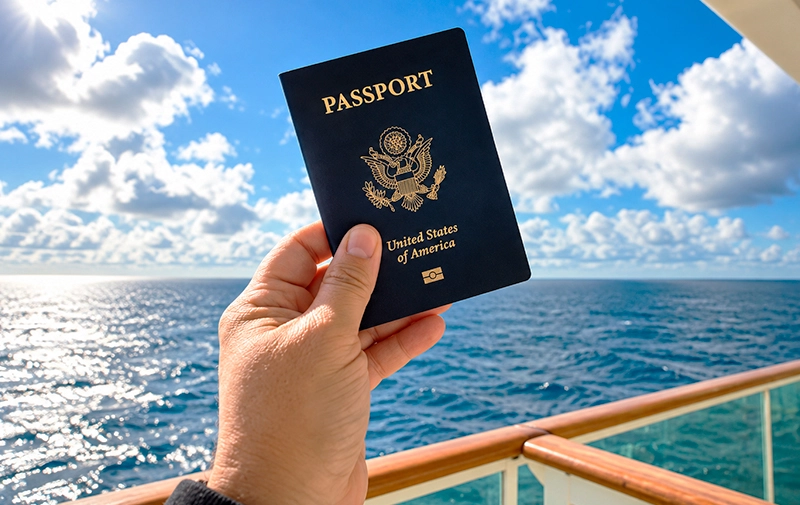
Can you cruise with children? Activities and age limits
Minimum boarding age, kids clubs by age group, family cabins, documents for minors and practical tips for enjoying the trip as a family.

Yes, you can, and for many families it is one of the simplest ways to travel: one place to stay, meals included, activities for every age and several destinations without unpacking. But it pays to know the age rules, what each cruise line offers and the practical details that make a difference with kids.
This guide covers from what age babies can board, how kids clubs work, which cabin suits you, what documents minors need and how to organize daily life on board. Rules change by cruise line, so always confirm the details when you book.
Minimum age to board
Most cruise lines require babies to be at least six months old on the embarkation date. On long crossings, with several consecutive days at sea, such as transatlantic cruises or routes to remote regions, that minimum usually rises to 12 months.
These rules exist because at open sea medical care and access to a port are more limited. Some companies have different policies, so check the exact age on your cruise line website before booking.
What kids and teen clubs offer
Many ships have spaces supervised by trained staff, where children take part in games, workshops and activities while parents enjoy other areas of the ship. They are usually organized by age group, though the divisions change by company:
| Age group | What is usually offered | Keep in mind |
|---|---|---|
| Babies and toddlers (up to about 3) | Play areas with parents; on some lines, paid hourly nursery | Limited service with a cost; book ahead |
| Kids (about 3 to 11) | Clubs with games, crafts, science and themed activities | Some require the child to be out of diapers and toilet-trained |
| Tweens (about 9 to 12) | Their own spaces with video games, sports and parties | Hours and sign-out rules differ by club |
| Teens (about 13 to 17) | Teen zones, discos, sports and excursions | Independence limits are set by each cruise line |
How club rules work
Parents usually register the child at embarkation, list allergies and contact numbers, and receive a wristband or a pickup system. Some clubs offer paid night care, and others have fixed hours and mandatory pickup if the child feels unwell.
Cabins for families
Choosing the right cabin is key when traveling with children. The most common options are:
- Cabins for three or four people, with fold-down bunks or a sofa bed.
- Connecting cabins, with an interior door joining two rooms, ideal for groups or families who want more privacy.
- Family cabins or suites, with more space and sometimes two bathrooms.
- Balcony cabins: they offer more play space, but you need to be especially careful with small children.
Rates for children
Many cruise lines charge a reduced rate for the third and fourth passenger sharing a cabin with two adults, although taxes and fees are still charged. Compare the cost of a cabin for four with two connecting cabins before deciding.
Recommended location
A cabin close to the elevators and the kids club area makes getting around with children easier. Avoid cabins under nighttime activity areas if your kids are light sleepers.
Documents for minors
All passengers, including babies, need valid documentation according to the countries on the itinerary. It is the traveler responsibility to check the requirements of each port before leaving.
- Check that each child passport or ID is valid and covers the whole trip.
- If the minor travels without both parents or legal guardians, a signed written permission is usually required, sometimes notarized, along with a copy of the signer documents.
- Bring the birth certificate or family record if the cruise line or country asks for it to prove the relationship.
- Check whether special visa, vaccine or medical insurance requirements apply to the destinations on the itinerary.
- Carry physical documents in your carry-on on embarkation day.
Safety on board with children
Ships are designed to be safe, but with children it is wise to take extra precautions:
- Balconies: never leave children alone and avoid placing furniture they could climb.
- Pools: most require swim diapers for the youngest and adult supervision, and lifeguards are not always present.
- ID wristbands: some cruise lines offer wristbands with the parents contact details.
- Meeting point: agree on a place to meet in case you get separated and explain how to ask a crew member for help.
- Safety drill: make sure children know where their life jacket is and where the muster point is.
Food and health with children
Dining usually includes buffets with kid-friendly options and children menus in the main dining rooms. If your child has allergies or dietary needs, tell the cruise line in advance so they can plan.
Ships have a medical center, although care has a cost. Bring a kit with the basics, your children usual medicines and, for babies, enough diapers and formula, since availability on board is limited. If motion sickness affects them, see our guide on preventing it.
To pack for the family, download the packing checklist and read the first cruise guide.
Tips for enjoying the trip as a family
- Book early to secure connecting cabins and spots in paid clubs.
- Plan breaks: alternate active days with quiet time, especially with young children.
- Have a plan for sea days: the ship activity schedule usually includes games and workshops.
- Choose excursions suited to your children age and energy.
- Calculate gratuities and extras, which are charged per passenger.
- Bring some warm clothing for air-conditioned areas and evenings on deck.
Frequently asked questions
From what age can babies travel on a cruise?
Normally from six months old on the embarkation date, and from 12 months on long crossings with several days at sea. Confirm the exact age with your cruise line.
Are kids clubs free?
On many cruise lines, clubs for children aged 3 and over are free, but nursery services for babies and night care usually have a cost. It depends on the company.
What documents does a minor traveling without parents need?
Normally a written permission signed by the parents or guardians, sometimes notarized, plus their travel document. Requirements vary by country and cruise line.
Is a balcony safe with small children?
It is safe with supervision and precautions, such as not leaving furniture near the railing. If your children are very small, consider a cabin without a balcony.
How much does a child cost on a cruise?
It depends on the cruise line and how many people share the cabin. The third and fourth passengers usually pay a reduced fare, but taxes and gratuities are charged per person.
Written by
Kate Anderson
Itinerary planning and family cruise specialist
Kate plans sea itineraries for families, couples and groups. She writes about choosing a cabin, organizing a budget and cruising with children without the stress.
Meet the editorial team