
How to choose the ideal cabin for your preferences
Cabin categories, location on the ship, size and the details that matter most for sleeping well, saving money and enjoying the trip.
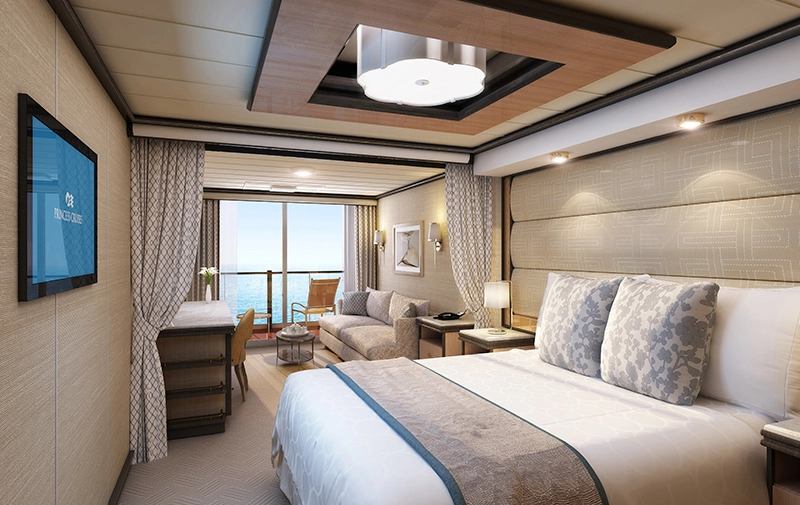
The cabin is your base throughout the trip, but it is also the factor that most affects price. Choosing well is not about paying the most, but about understanding what you need: some people barely spend time in it, while others use it as their private spot facing the sea.
This guide explains the four main categories, how location matters, what details to check on the deck plan and how to decide based on your type of trip. Sizes and features vary between cruise lines and ships, so always check the plan and the details of each cabin.
The four main categories
On almost every cruise line you will find four main cabin types. This table summarizes their features:
| Category | What it is like | Best for |
|---|---|---|
| Inside | No window; the smallest and cheapest | Those who spend little time in the cabin or want to save |
| Ocean view | With a window or porthole; natural light and views | Those who want light and views without paying for a balcony |
| Balcony | With a private terrace; very popular | Those who value fresh air and private views |
| Suite | More space and exclusive services | Those who want comfort and added benefits |
Inside cabin: when it makes sense
It is the cheapest option and, for many, the most rational: if you spend the day on deck, on excursions and in common areas, the cabin is only for sleeping and changing. Because it sits inside the ship, it is usually dark and quiet, which helps with rest.
If you are prone to claustrophobia or like waking up to natural light, you may prefer an ocean view. Some ships offer inside cabins with virtual windows or views onto interior common areas.
Ocean view and balcony
The ocean view adds a window that opens onto the sea, bringing light and a feeling of space. It is a good middle ground between price and comfort.
The balcony is a favorite of many passengers: you can have breakfast with a view, watch the arrival in port or enjoy fresh air without leaving the cabin. It is especially appealing on scenic routes, such as Alaska or the fjords.
Beware of obstructed-view cabins
Some ocean view or balcony cabins have a partially blocked view because of lifeboats or other structures, and usually cost less. Check the plan to know what you will see from your window.
Suites: what they really offer
Suites are the category with the most space and, normally, added services. Depending on the cruise line, they can include:
- A living area separate from the bedroom and a larger bathroom.
- Butler service or personalized attention.
- Priority embarkation and disembarkation.
- Access to restaurants, lounges or areas of the ship reserved for suite guests.
- Some included extras, such as drinks, Wi-Fi or gratuities, depending on the company.
Location matters as much as category
Within the same category, price and experience change depending on where the cabin is. These are the main factors:
- Deck level: lower decks and the middle of the ship are the most stable and move the least.
- Closeness to elevators and common areas: convenient, but can mean more noise and foot traffic.
- Below or above activity areas: nightclubs, theaters, kitchens or the buffet deck can create noise and vibration.
- Bow and stern: they usually feel more motion and, at the stern, engine vibration.
- Cabins next to service doors or laundries: they can have more noise.
How to read the deck plan
Before choosing, open the ship plan and look at what is above and below your cabin. Ideally you have passenger cabins above and below, and avoid decks with nighttime activity.
Cabins for families, groups and solo travelers
Your type of trip shapes the choice. Here are some ideas:
- Families: cabins for three or four people, family or connecting, close to the kids clubs.
- Couples: a balcony in a quiet location, or a suite if the budget allows.
- Groups of friends: connecting or adjacent cabins to make meeting up easier.
- Solo travelers: some ships have single cabins without a surcharge or with reduced rates for one person.
- Travelers with reduced mobility: accessible cabins, which should be booked in advance.
How to decide step by step
- Define how much time you will spend in the cabin and how much you value the view.
- Set a budget and compare the cost of the categories that interest you.
- Choose the location: central and low if you are prone to motion sickness; away from noisy areas if sleep is a priority.
- Check the plan to see what is above, below and beside.
- Check the cabin exact measurements and features in the ship details.
- Book early to have more location options.
Booking types: guaranteed cabin versus choosing your cabin
Some cruise lines offer guarantee fares: you book a category and the company assigns the cabin later, sometimes with a free upgrade. It is usually cheaper, but you do not choose the exact location and may end up in a less desirable area.
If location matters to you, because of motion sickness, noise or convenience, it is better to choose a specific cabin, even if it costs a little more.
If this is your first trip, start with our first cruise guide.
Frequently asked questions
Which cabin is best for sleeping well?
One on a low deck and in the middle of the ship, away from noisy areas. Inside cabins are usually very dark and quiet, which helps with rest.
Is a balcony worth paying for?
It depends on your route and how much time you spend in the cabin. On scenic destinations, such as Alaska or the fjords, many passengers see it as a big advantage.
What is an obstructed-view cabin?
An ocean view or balcony cabin whose view is partially blocked by a lifeboat or another structure. It is usually cheaper.
What does booking a guaranteed cabin mean?
You book a category and the cruise line assigns the cabin later. It can be cheaper, but you do not choose the location.
What are the best cabins if I get seasick?
Those in the middle of the ship on low or middle decks, where movement is felt the least.
Written by
Kate Anderson
Itinerary planning and family cruise specialist
Kate plans sea itineraries for families, couples and groups. She writes about choosing a cabin, organizing a budget and cruising with children without the stress.
Meet the editorial team