Are there different types of cruises available?
Ocean, river, luxury, expedition and themed cruises: how they differ, who they suit and how to choose the right type of trip.
When people think of a cruise, many imagine a large ship with pools, theaters and thousands of passengers. But that is only one type. There are river cruises, luxury trips with few passengers, expeditions to polar regions and sailings built around specific interests, and each offers a very different experience.
This guide covers the main types of cruise, their advantages and limitations, and how to choose based on what you want. The characteristics we describe are general: each cruise line and ship has its own personality, so always check the details of the trip you are interested in.
Overview of cruise types
This table compares the most common types at a glance:
| Type | Ship size | Atmosphere | Best for |
|---|---|---|---|
| Ocean | Large or very large | Lively, lots of entertainment | Families, groups, first-timers |
| River | Small and long | Intimate, cultural, calm | Those who prioritize cities and culture |
| Luxury | Small to medium | Refined, personalized service | Demanding travelers |
| Expedition | Small | Adventure and nature | Wildlife lovers and remote regions |
| Themed and niche | Variable | Focused on a specific interest | Enthusiasts of a topic |
Ocean cruises
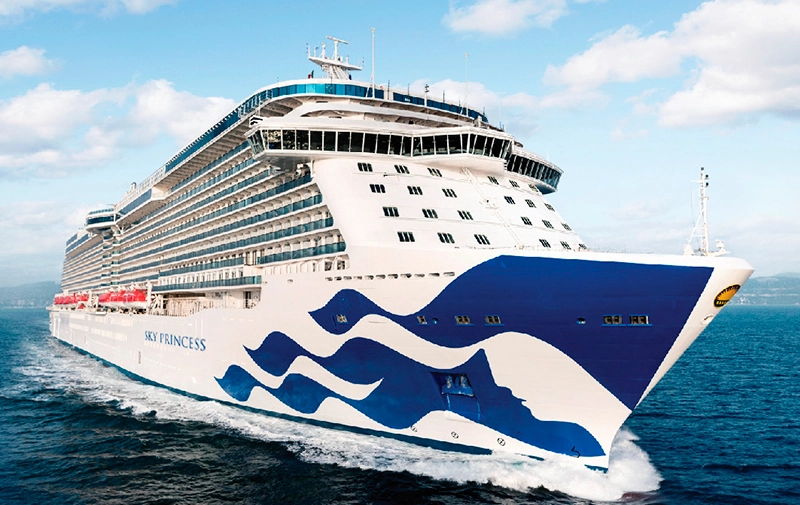
These are the large ships most people associate with the word cruise, from companies such as Royal Caribbean, MSC, Costa or Carnival. They sail open seas, such as the Caribbean, the Mediterranean or the fjords, and work as floating cities with pools, water slides, casinos and theaters for thousands of people.
Advantages
- Great variety of activities, restaurants and shows.
- Kids clubs and programs for all ages.
- A wide range of itineraries and departure ports.
- Price per night generally more affordable.
Limitations
- They can be very crowded, especially in high season.
- Large ships cannot enter every small port.
- Many services and extras are charged separately.
River cruises
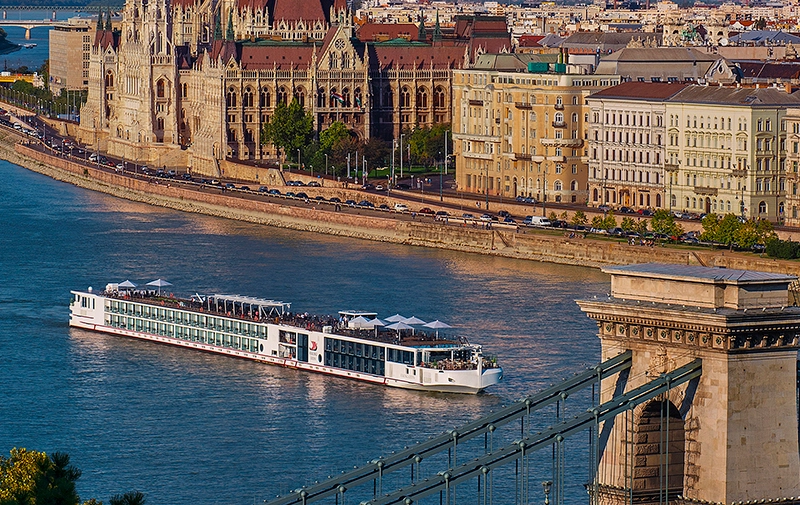
These are longer, shallow-draft ships with smaller capacity, such as those of Viking, AmaWaterways or Uniworld, designed to sail rivers like the Danube, the Rhine, the Seine or the Nile. The experience is more intimate and cultural, and they have a key advantage: they dock right in city centers, where a large ship could not enter.
Advantages
- Very calm sailing, with hardly any motion: ideal if you get seasick.
- Close scenery from the deck or cabin.
- Visits to historic towns and cities with little travel.
- Fewer passengers and more personal attention.
Limitations
- Fewer facilities and entertainment on board than an ocean cruise.
- Less choice for children.
- Price per night is normally higher.
Luxury cruises
Designed for the most demanding travelers, companies such as Silversea, Seabourn, Regent or Scenic operate small, high-end ships, both ocean and river. They are known for personalized service, spacious cabins, careful dining and, frequently, fares that include drinks, gratuities and other perks.
They are a good option if you value peace and comfort, and are willing to pay more per night in exchange for fewer extras and fewer crowds.
Expedition cruises
These sail on small ships equipped for remote regions such as Antarctica, the Arctic, the Galapagos or the fjords. The itinerary is more flexible and depends on weather and wildlife, and includes landings by small boat and talks by naturalists and scientists.
They are adventure and nature experiences, high in price, and with warm-clothing and health preparation that is worth planning well ahead.
Themed and niche cruises
There are sailings built around specific interests: music, food, wine, sport, wellness or family celebrations. There are also cruises for adults only, for families or for solo travelers.
- Themed: events with artists, chefs or specialists on board.
- Adults only: a calmer atmosphere, with no children.
- Family and multigenerational: programs for all ages.
- Solo travelers: single cabins or no-surcharge fares on some ships.
Other ways to classify cruises
Besides ship type, it is worth considering the length and structure of the itinerary:
- Short cruises, three to five nights: good for trying the experience.
- One-week cruises: the most common and balanced format.
- Long or around-the-world cruises: for those with plenty of time.
- Closed-loop cruises, which leave from and return to the same port, versus crossings or repositioning cruises, which change region.
How to choose the right type of cruise
- Define what you want: relaxing, discovering cities, experiencing nature or enjoying family time.
- Think about who is traveling and their ages.
- Set a total budget, including extras.
- Choose the destination and time of year.
- Compare ship types and cruise lines covering that route.
- Review the conditions and what each fare includes.
Frequently asked questions
What is the most common type of cruise?
The ocean cruise on large ships, which offers lots of activities and more affordable prices.
Which type of cruise is best if I get seasick?
River cruises, because they sail very calm inland waters. On an ocean cruise, choose a central cabin on a low deck.
Do luxury cruises include everything?
Many include drinks, gratuities and other perks, but each company is different. Check what your fare includes.
Are expedition cruises suitable for families?
It depends on the cruise line and the age of the children. Many have age restrictions and physically demanding activities.
How long should my first cruise be?
A cruise of three to seven nights is usually a good way to try the experience without committing too much time or budget.
Written by
Alexander Moe
Maritime travel consultant for exploration and river routes
Alexander is a maritime travel consultant who analyzes cruise lines, cruise types and exploration and river routes. His guides focus on comparing options with a clear head and avoiding surprises on board.
Meet the editorial team